Peas, beans and lentils offer a simple way to improve everyday nutrition. These pulses provide plant protein, fibre and slow-release carbohydrates, which can support steady energy and healthy digestion. Many types also supply key minerals such as iron, magnesium and potassium, plus B vitamins that help normal metabolism. Regularly eating a variety of pulses may support heart health, weight management and better blood sugar control, while adding flavour and texture to meals.
Key takeaways
- Peas, beans and lentils provide plant protein that supports muscle repair and satiety.
- High fibre content helps digestion and supports steadier blood glucose after meals.
- Lentils cook quickly and suit soups, stews and salads for easy weeknight meals.
- Beans supply iron and folate, which support red blood cell production.
- Peas contribute vitamin C and antioxidants that support immune function and cell protection.
- Regular intake can support heart health by improving cholesterol and blood pressure markers.
Nutritional Profile of Peas, Beans and Lentils: Protein, Fibre and Key Micronutrients
Peas, beans and lentils (pulses) provide a strong mix of plant protein, dietary fibre and essential micronutrients. Protein supports the maintenance of muscle, while fibre helps normal bowel function and can support steadier blood glucose after meals. Many pulses also contain resistant starch, which feeds beneficial gut bacteria and may aid digestive comfort. Regular intake can also support satiety, which may help with appetite control between meals.
Micronutrient content varies by type, yet several nutrients appear often. Lentils and many beans supply iron, which supports normal oxygen transport in the blood. Folate (vitamin B9) contributes to normal blood formation and supports maternal tissue growth during pregnancy. Potassium helps maintain normal blood pressure, while magnesium supports normal muscle function and energy release. Zinc contributes to normal immune function, and phosphorus supports the maintenance of normal bones.
Pulses also contain polyphenols, which act as antioxidants in the diet. Since pulses contain non-haem iron, pairing them with vitamin C-rich foods, such as peppers or citrus fruit, can improve iron absorption. Soaking, rinsing and thorough cooking can also improve tolerance for some people. For verified nutrient reference values, consult the NHS guidance on beans and pulses.
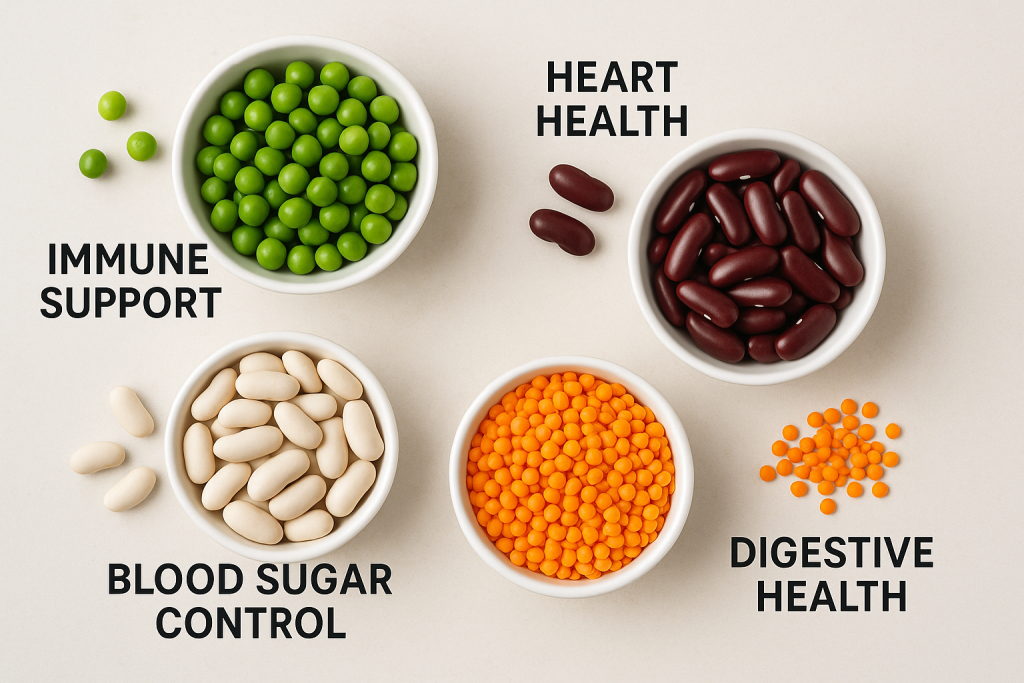
Health Benefits of Different Peas, Beans and Lentils
How Pulses Support Heart Health: Cholesterol, Blood Pressure and Vascular Function
Pulses can support cardiovascular health through several connected pathways. Soluble fibre in many beans and lentils binds to bile acids in the gut. As a result, the body uses circulating cholesterol to make more bile, which can help lower LDL cholesterol (often called “bad” cholesterol). This effect matters because raised LDL cholesterol increases the risk of atherosclerosis, a build-up of fatty deposits in arteries.
Pulses also contribute to healthier blood pressure. Potassium supports normal blood pressure by helping the body balance sodium and manage fluid levels. Magnesium supports normal muscle function, including the smooth muscle that lines blood vessels. Many pulses contain relatively little sodium, which suits a heart-healthy eating pattern when meals avoid heavy salting and processed sauces.
Vascular function refers to how well blood vessels widen and narrow to regulate blood flow. Pulses provide plant compounds such as polyphenols, which can help protect blood vessels from oxidative stress. Better vessel function supports efficient circulation and may reduce strain on the heart over time.
- For cholesterol support: choose lentils, chickpeas, haricot beans, black beans, and split peas in place of refined carbohydrates.
- For blood pressure support: pair pulses with vegetables and wholegrains, and season with herbs, spices, lemon, or vinegar rather than excess salt.
- For vascular support: include a variety of colours and types across the week to broaden the range of protective plant compounds.
For practical targets, guidance from the British Heart Foundation supports a dietary pattern rich in fibre and plant foods for heart health. Regularly swapping some red or processed meat meals for pulse-based dishes can help improve fat quality and fibre intake without sacrificing satiety.
Blood Sugar Control and Diabetes Risk: Glycaemic Impact of Different Pulses
Pulses tend to have a low to moderate glycaemic impact, meaning they usually raise blood glucose more slowly than refined starchy foods. This effect relates to the structure of pulse starch, the presence of viscous (gel-forming) fibre, and the way intact cell walls slow digestion. As a result, meals that include pulses often produce a lower post-meal glucose rise and a steadier insulin response.
Different pulses can vary. Lentils and chickpeas commonly produce a lower glycaemic response than many other carbohydrate foods, while some beans sit slightly higher depending on variety and preparation. Cooking method also matters: longer cooking and mashing can increase digestibility and raise the glycaemic response, whereas keeping pulses whole and pairing them with vegetables, healthy fats, or protein can help moderate glucose peaks.
Regular pulse intake may support better long-term glucose control and reduce type 2 diabetes risk when used to replace refined grains or sugary foods. Evidence summaries from Diabetes UK and the British Heart Foundation highlight high-fibre foods, including pulses, as helpful choices for cardiometabolic health.
Digestive Health and Gut Microbiome Benefits: Fibre Types and Resistant Starch
Digestive benefits from peas, beans and lentils depend on fibre type and on resistant starch. Insoluble fibre adds bulk and helps move food through the bowel, which supports regularity. Soluble fibre absorbs water and forms a gel, which can soften stools and help maintain comfortable bowel movements. Many pulses provide both types, so meals that include mixed pulses often support gut function across several mechanisms.
Resistant starch acts as a fermentable carbohydrate that escapes digestion in the small intestine. Gut bacteria break it down in the large intestine and produce short-chain fatty acids, including butyrate. Butyrate helps nourish colon cells and supports the gut barrier. This fermentation also encourages a more diverse microbiome, which links with better digestive resilience. Guidance from the British Society of Gastroenterology highlights the role of dietary fibre in bowel health, which aligns with the way pulses feed beneficial microbes.
Different pulses vary in fermentability. Lentils and split peas often ferment readily, while larger beans can cause more gas in some people because bacteria produce carbon dioxide and hydrogen during fermentation. Gradual increases in portion size, adequate fluid intake, and thorough cooking can reduce discomfort. Cooling cooked pulses and using them in salads can raise resistant starch content, since starch retrogradation occurs during cooling. A steady, varied intake tends to support tolerance while sustaining microbiome benefits.
Weight Management and Satiety: Energy Density, Protein Quality and Appetite Regulation
Pulses can support weight management because they deliver high satiety for a modest energy intake. Many peas, beans and lentils have a low energy density, since water and fibre add volume without adding many kilojoules. That combination can help people feel full on smaller portions, which may reduce total intake across the day.
Protein quality also matters. Pulses supply substantial plant protein, and meals that combine pulses with grains can improve the balance of essential amino acids. Protein and fibre can both slow gastric emptying, which helps moderate appetite signals after eating. Research also links higher pulse intake with better appetite control and reduced body weight in some dietary patterns; see summaries from the Harvard T.H. Chan School of Public Health. For practical use, replacing part of refined starch or processed meat with pulses often improves fullness while keeping meals satisfying.
Bone, Brain and Immune Support: Iron, Folate, Magnesium and Zinc Across Pulse Types
Pulses contribute several minerals and B vitamins that support bone strength, cognitive function and normal immune defences. Iron helps the body make haemoglobin, which carries oxygen in the blood. Lentils and many beans provide useful amounts, which can matter for people who eat little or no meat. Since plant iron (non-haem iron) absorbs less efficiently, pairing pulses with vitamin C-rich foods such as peppers, citrus fruit or broccoli can improve uptake.
Folate (vitamin B9) supports normal cell division and helps the body make red blood cells. Adequate folate also contributes to normal psychological function. Lentils, chickpeas and black-eyed peas often rank well, making them practical choices for regular meals.
Magnesium supports normal muscle function and helps maintain normal bones. Many beans and peas supply magnesium, while lentils also contribute. Zinc supports normal immune function and helps protect cells from oxidative stress. Beans, chickpeas and lentils can add zinc to the diet, although absorption can vary due to naturally occurring phytates in plant foods.
- Higher iron and folate: lentils, chickpeas, kidney beans
- Useful magnesium: black beans, navy beans, split peas
- Zinc contributors: chickpeas, lentils, cannellini beans
Soaking dried beans, rinsing canned beans, and cooking thoroughly can improve texture and may support mineral availability. For nutrient reference values and health claims, consult NHS guidance on beans and pulses.
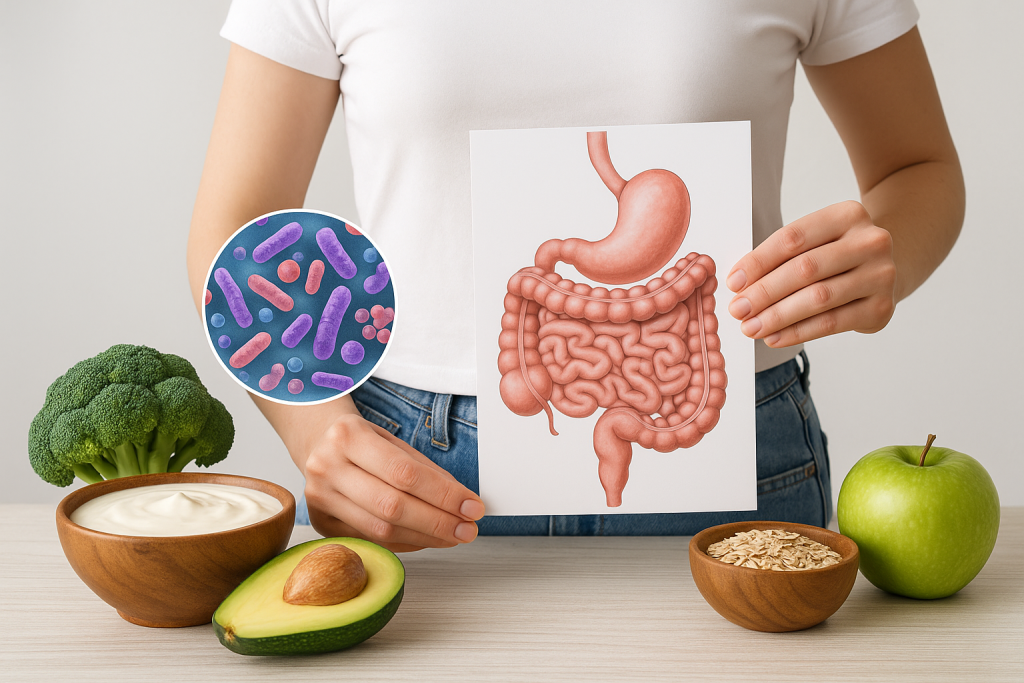
Digestive Health and Gut Microbiome Benefits
Anti-nutrients and Digestive Tolerance: Phytates, Lectins, FODMAPs and Practical Mitigation
Pulses contain natural compounds often called anti-nutrients. These substances can reduce mineral absorption or trigger digestive symptoms in some people. In practice, most people tolerate peas, beans and lentils well when preparation and portion size suit individual needs.
Phytates (phytic acid) can bind minerals such as iron and zinc in the gut, which may reduce absorption from a meal. This matters most when a diet relies heavily on pulses and cereals with limited animal foods. Pairing pulses with vitamin C-rich foods (such as peppers, citrus, or broccoli) can support non-haem iron uptake, while varied protein sources help protect long-term adequacy.
Lectins are proteins found in many raw or undercooked beans. Proper cooking deactivates lectins and improves safety and tolerance. Avoid slow-cooking dried kidney beans from raw at low temperatures, since inadequate heat may not neutralise lectins. Guidance from the Food Standards Agency supports soaking dried beans, discarding the soaking water, then boiling vigorously before simmering until tender.
FODMAPs are fermentable carbohydrates that can trigger bloating, wind, or pain in people with irritable bowel syndrome. Many beans and lentils contain galacto-oligosaccharides (GOS), a common FODMAP group. Tolerance varies, so a structured approach helps.
- Start with small portions (for example, 2 to 4 tablespoons cooked) and increase gradually.
- Choose canned pulses, then rinse well to reduce FODMAP content in the brine.
- Soak dried beans for at least 8 to 12 hours, then cook in fresh water until soft.
- Prefer well-cooked lentils and split peas, since softer texture often improves comfort.
- Use digestive aids such as cumin, ginger, or asafoetida if preferred, while keeping portions steady.
People following a low FODMAP diet for symptom control should seek personalised advice from a registered dietitian, as recommended by the British Dietetic Association.
Choosing and Preparing Specific Pulses: Green Peas, Chickpeas, Kidney Beans, Black Beans and Red Lentils
Choose pulses based on cooking time, texture and how each one fits your meals. Green peas suit quick dishes because they cook fast and keep a fresh, sweet flavour. Use frozen peas for convenience, then add them near the end of cooking to protect colour and tenderness.
Chickpeas work well in salads, stews and spreads. Dried chickpeas need soaking, then simmering until creamy. Canned chickpeas offer speed; rinse them to reduce sodium and improve flavour. Kidney beans and black beans need thorough cooking. If you use dried beans, soak them, discard the soaking water, then boil briskly before simmering until soft. That approach improves texture and supports safe preparation. For a reliable safety reference, follow guidance from the Food Standards Agency.
Red lentils cook quickly and break down into a smooth consistency, which suits soups, dahls and thickened sauces. Rinse red lentils before cooking to remove surface starch, then simmer gently to limit sticking. For better mineral uptake and a brighter taste, pair pulses with vitamin C-rich foods such as tomatoes, citrus or peppers. Herbs, spices and aromatics also help reduce the need for excess salt.
Frequently Asked Questions
What health benefits do peas provide, and how do they compare with beans and lentils?
Peas provide plant protein, fibre, folate, vitamin K, and polyphenols that support digestion, heart health, and steady blood sugar. Compared with beans and lentils, peas usually contain less protein and iron per portion, yet often offer more vitamin C. Beans and lentils tend to deliver more fibre and minerals, aiding fullness and cholesterol control.
How do beans and lentils support heart health and cholesterol control?
Beans and lentils support heart health by providing soluble fibre, which binds bile acids and helps lower LDL (bad) cholesterol. Their plant protein can replace foods high in saturated fat, supporting healthier blood lipids. Potassium and magnesium help maintain normal blood pressure, while antioxidants and polyphenols may reduce inflammation linked to cardiovascular disease.
Which peas, beans and lentils offer the highest protein and fibre per serving?
Cooked lentils and split peas usually provide the highest protein and fibre per serving. Black beans, kidney beans and chickpeas also rank highly. As a guide, a 150 g cooked serving often supplies about 12–18 g protein and 10–15 g fibre, depending on the variety and cooking method.
How can peas, beans and lentils help with blood sugar control and weight management?
Peas, beans and lentils support blood sugar control because their fibre and protein slow digestion and reduce glucose spikes. Their low glycaemic index (a measure of how quickly foods raise blood sugar) helps steady energy. For weight management, they increase fullness, curb snacking and provide nutrient-dense calories, which can support a healthy calorie intake.
What are the best ways to prepare peas, beans and lentils to improve nutrient absorption and reduce digestive discomfort?
Soak dried beans and whole peas overnight, then discard the water and cook thoroughly. Rinse canned pulses to reduce salt and fermentable carbohydrates. Simmer lentils until tender; soaking helps some types. Add spices such as cumin or ginger, and introduce pulses gradually. Pair with vitamin C-rich vegetables to improve iron absorption.