Hispanic food and culture reflect a rich mix of Indigenous, European, African, and Asian influences across Spain, Latin America, and the Caribbean. Regional climates, local crops, and migration patterns shape distinct cuisines, from maize-based staples to seafood, stews, and grilled meats. Shared traditions also appear through family meals, street markets, and festive dishes prepared for religious and community celebrations. Together, recipes, language, music, and hospitality express identity and continuity across generations.
Key takeaways
- Hispanic cuisine reflects Indigenous, Spanish and African influences across many regions.
- Staple ingredients such as maize, beans and chillies shape everyday meals and traditions.
- Regional dishes vary widely, from Mexican mole to Caribbean rice and plantain dishes.
- Family gatherings and community celebrations often centre on shared meals and recipes.
- Food traditions connect to religious festivals, including Día de los Muertos and Christmas.
- Migration has spread Hispanic flavours globally, while preserving local cooking methods.
Defining Hispanic Cuisine: Regions, Ingredients, and Shared Traditions
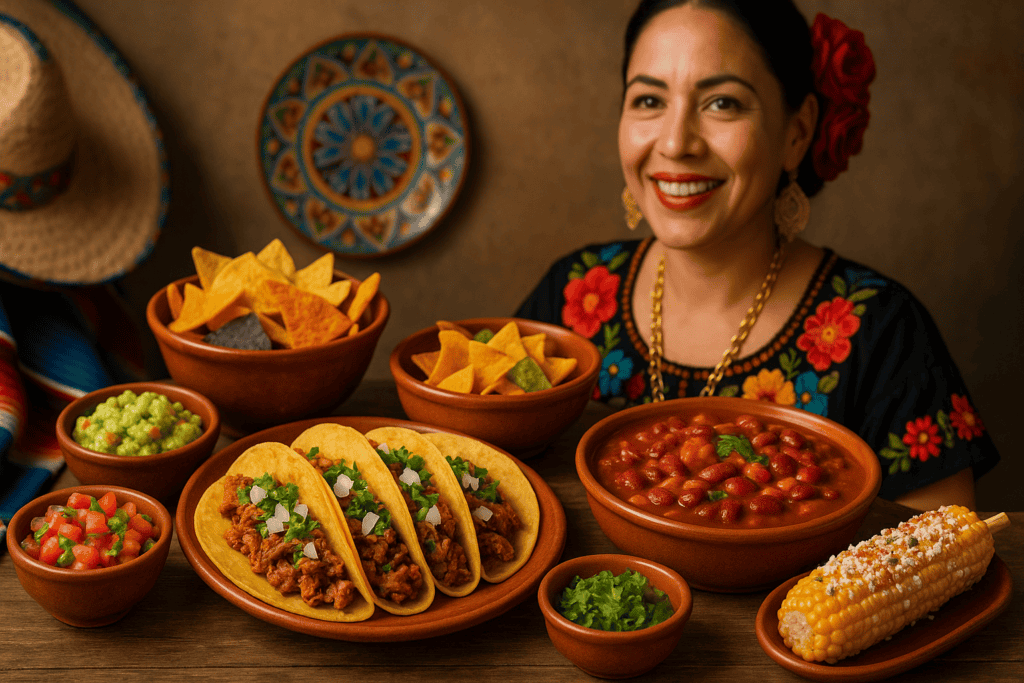
Hispanic cuisine describes the food traditions of Spanish-speaking communities, especially across Latin America, the Caribbean, and parts of the United States. Regional geography shapes each table: coastal areas favour seafood and citrus, highlands rely on maize, beans, and potatoes, while tropical zones use plantain, cassava, and fresh fruit. Despite this range, shared ingredients create continuity across borders and generations. Maize forms the base for tortillas, tamales, and arepas, while beans provide steady protein. Chillies add heat and aroma, and cooks balance them with herbs, onions, garlic, and tomatoes. Many dishes also feature slow cooking, which deepens flavour and brings families together at mealtimes.
History also unites these cuisines. Indigenous cooking methods, such as nixtamalisation (treating maize with an alkaline solution to improve nutrition and flavour), meet Spanish influences that introduced wheat, rice, and many livestock foods. Later migrations added new seasonings and techniques, shaping distinctive local staples and sauces. Across regions, family meals, street food, and festival dishes carry cultural meaning, from communal stews to celebratory breads. For clear definitions of regional terms and culinary history, consult Encyclopaedia Britannica.
Hispanic food and culture
Pre-Columbian Foundations: Maize, Beans, Chillies, and Indigenous Techniques
Long before Spanish contact, Indigenous peoples across Mesoamerica and the Andes built complex food systems around maize, beans, and chillies. Many communities treated maize as a staple and a cultural symbol, shaping daily meals and ceremonial foods. Cooks improved maize nutrition through nixtamalisation, a process that soaks and cooks kernels in an alkaline solution, often made with lime (calcium hydroxide). This method softens the grain, enhances flavour, and increases the availability of key nutrients, which supports diets that rely heavily on maize.
Beans supplied protein and fibre, while chillies added heat, aroma, and natural preservation. Indigenous techniques also defined texture and taste. Stone grinding on a metate produced fine doughs and pastes, while earthenware cooking controlled heat for slow simmering. Communities used steaming and pit-roasting to develop deep flavours without heavy fats, and they paired ingredients with herbs, seeds, and wild greens to balance richness and freshness.
These foundations still shape Hispanic cooking across many regions, not as relics, but as living practices that continue to guide staple preparations and everyday seasoning.
Colonial and Migratory Influences: Spain, Africa, and Later Global Exchanges
Spanish colonisation reshaped Hispanic cuisines through new ingredients, livestock, and cooking methods. Wheat, rice, sugarcane, citrus, onions, garlic, and herbs such as coriander entered existing foodways, while cattle, pigs, sheep, and goats expanded access to meat, dairy, and animal fats. Cooks combined these with Indigenous staples to create enduring pairings, including maize with pork, chillies with garlic, and beans with rice. Convents, missions, and urban markets also standardised recipes and spread them across regions.
African peoples, forced into the Americas through the transatlantic slave trade, contributed essential skills and flavours, especially in the Caribbean and coastal Latin America. Many communities adapted familiar techniques to local crops, strengthening traditions of frying, stewing, and seasoning with aromatic blends. Ingredients such as okra and certain rice-growing practices also travelled with African knowledge, shaping dishes that remain central to local identity.
Later migrations and trade routes introduced further change. Asian exchanges, linked to the Manila galleons, helped popularise rice and brought spices and fruits that suited tropical climates. Nineteenth- and twentieth-century arrivals from Italy, the Middle East, and other parts of Europe influenced baking, cured meats, and street foods in countries such as Argentina, Uruguay, Mexico, and Cuba. These influences did not replace older traditions; instead, they created layered cuisines that reflect history, movement, and adaptation.
Hispanic food culture often preserves memory through taste: each new ingredient tends to enter the kitchen by blending with established techniques rather than erasing them.
- Spain: wheat breads, livestock, citrus, and sugar production
- Africa: coastal stews, frying traditions, and rice expertise
- Global exchanges: Asian trade goods and later immigrant food customs
Food as Cultural Expression: Family Meals, Faith, and Community Celebrations
Food often communicates identity more clearly than words. Across many Hispanic communities, family meals structure the day and reinforce respect for elders, hospitality, and shared responsibility. Home cooking also preserves memory: a familiar stew, a hand-pressed tortilla, or a slow-cooked sauce can carry regional accents and family histories across generations and borders.
Faith shapes what people cook and when people gather. Lenten meals may favour fish, pulses, and vegetable dishes, while Christmas tables often feature foods prepared in advance and shared widely. Many households also prepare offerings for remembrance rituals, including pan de muerto during Día de los Muertos, where bread and favourite dishes honour relatives and invite storytelling. For background on this tradition, see Instituto Nacional de Antropología e Historia (INAH).
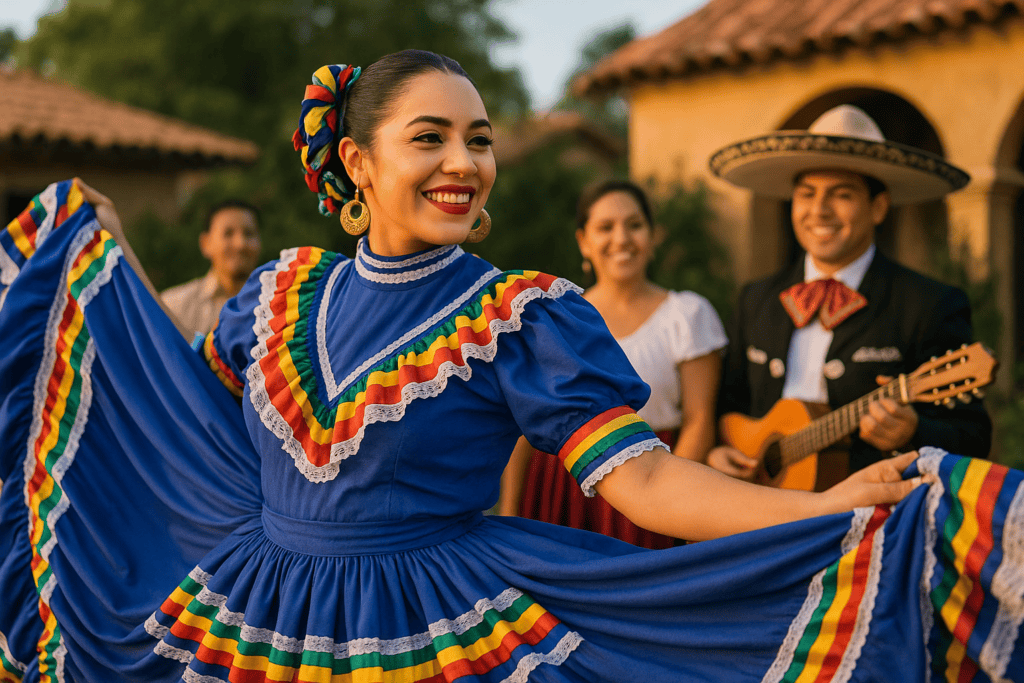
Community celebrations extend the same values to a wider circle. Neighbours contribute ingredients, labour, and time for festivals, weddings, and patron-saint days, turning cooking into collective work. Large-format dishes suit these occasions because people can serve them easily and eat them together. Shared tables also create social ties, since conversation, music, and food operate as one expression of belonging.
Hispanic culture
Contemporary Hispanic Food Culture: Diaspora, Restaurants, and Culinary Innovation
Migration has reshaped Hispanic food culture, especially in major cities where diaspora communities sustain tradition while adapting to new ingredients, budgets, and tastes. Restaurants often act as cultural anchors, offering familiar dishes alongside regional specialities that may feel rare outside their places of origin. At the same time, chefs and home cooks drive culinary innovation through cross-cultural menus, modern plating, and new formats such as food trucks and pop-ups, while still respecting core techniques such as slow braising, fresh salsas, and masa-based cookery.
Social media and streaming platforms also influence what people cook and order, accelerating the spread of dishes and shaping expectations of “authenticity”. Institutions such as Smithsonian Magazine regularly document foodways and migration, helping audiences understand how identity travels through recipes. This contemporary landscape shows a living cuisine: rooted in memory, yet open to change.
Frequently Asked Questions
How has Hispanic history shaped traditional dishes across different regions?
Hispanic history shaped regional dishes through Indigenous staples, Spanish ingredients and methods, and later African and immigrant influences. Maize, beans, and chillies remain central in Mexico and Central America, while Spanish livestock and wheat spread widely. Caribbean cooking reflects African techniques and seasonings. Andean regions feature potatoes and quinoa, adapted with European meats, dairy, and stews.
What key ingredients define Hispanic cooking, and how do they vary by country?
Hispanic cooking often centres on maize (corn), beans, chillies, rice, tomatoes, garlic, onions, herbs, and citrus. Mexico features maize, chillies, and cacao; the Caribbean uses plantain, coconut, and seafood; Central America highlights beans and maize; the Andes rely on potatoes, quinoa, and ají peppers; Spain favours olive oil, paprika, and saffron.
Which cultural celebrations most strongly influence Hispanic food traditions and seasonal recipes?
Key celebrations include Día de los Muertos, Christmas and Las Posadas, Semana Santa (Holy Week), Carnaval, and regional patron saint festivals. These events shape seasonal dishes such as pan de muerto, tamales, bacalao, buñuelos, capirotada, and festive stews. Harvest and independence celebrations also drive recipes that feature maize, chillies, and local produce.
How do Indigenous, African, and European influences appear in Hispanic cuisine and dining customs?
Indigenous traditions contribute maize, beans, chillies, cacao, and stone-ground methods such as nixtamalisation. African heritage appears in plantains, okra, yams, rice dishes, and deep-frying, plus communal, music-led meals. European influence shows in wheat, dairy, pork, olive oil, wine, and stews, as well as table settings, courses, and festive banquets.
What etiquette and table customs are common in Hispanic households during shared meals?
Common customs include greeting everyone, waiting for the host to invite people to sit, and starting to eat after elders or the host. Guests often accept at least a small portion. Keep hands visible, use cutlery where provided, and avoid rushing. Conversation stays warm and respectful, with phones kept away from the table.