
Paprika is a ground spice made from dried peppers, valued for its colour and mild to warm flavour. Beyond taste, it provides nutrients that support everyday health. Many varieties contain carotenoids, including beta-carotene, which the body can convert into vitamin A for normal vision and immune function. Paprika also supplies antioxidants that help protect cells from oxidative stress. Used regularly in balanced meals, it can add flavour while contributing modest nutritional benefits.
Key takeaways
- Paprika supplies carotenoids, including capsanthin, which support antioxidant protection in the body.
- Vitamin A precursors in paprika contribute to normal vision and immune system function.
- Vitamin C content supports collagen formation, aiding skin health and wound healing.
- Some paprika varieties contain capsaicin, which may support metabolism and appetite control.
- Anti-inflammatory compounds in paprika may help reduce oxidative stress linked to chronic disease.
- Using paprika in meals can add flavour while limiting reliance on salt and added fats.
What Paprika Is and How It Differs by Type
Paprika is a ground spice made from dried fruits of Capsicum annuum, a species that also includes sweet peppers and some chillies. Producers dry the peppers, remove some or all of the seeds and membranes, then mill the flesh into a fine powder. The type of pepper, the drying method and the level of heat all shape the colour, aroma and taste, from bright red and sweet to darker and more robust.
Sweet paprika uses mild peppers and offers a gentle, slightly fruity flavour with little heat. Smoked paprika, often labelled pimentón, gains a deep, savoury character because producers smoke the peppers, commonly over oak, before grinding. Hot paprika comes from peppers with more capsaicin, the natural compound that creates a warming sensation. Hungarian styles often range from delicate to pungent, while Spanish styles commonly emphasise smokiness. Some products also blend varieties to balance sweetness, heat and colour, which helps maintain consistency between batches.
Quality varies with freshness and storage. Keep paprika in an airtight container away from heat and light to slow flavour loss. For reliable guidance on spices and safe food handling, consult the Food Standards Agency.
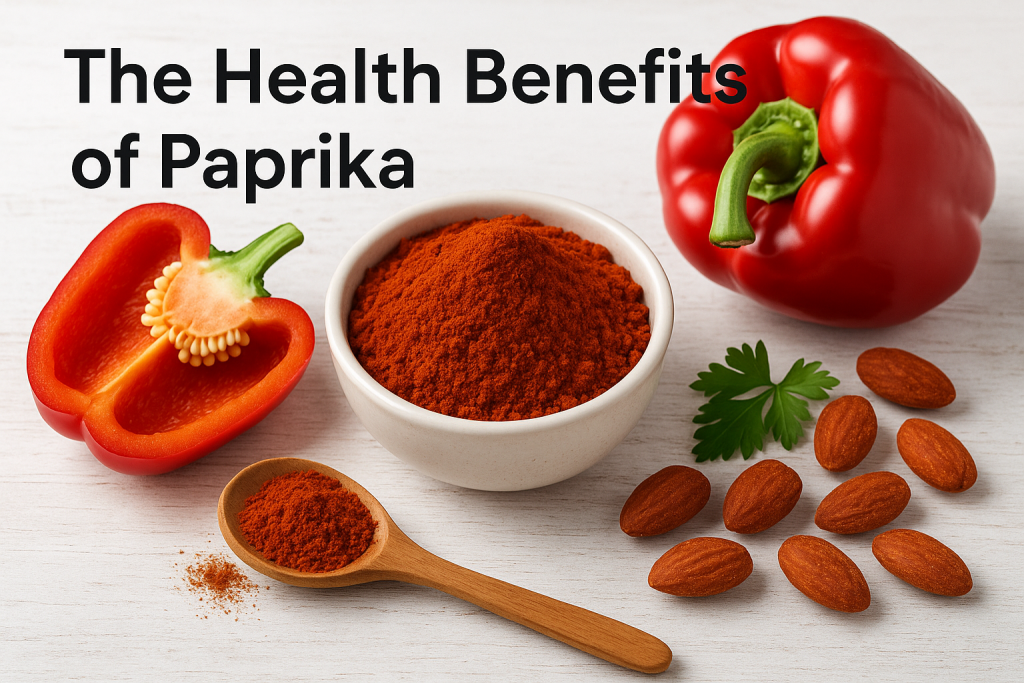
The Health Benefits of Paprika
Key Nutrients and Bioactive Compounds in Paprika
Paprika provides a concentrated source of plant nutrients because producers dry and mill the pepper flesh into a fine powder. Although exact values vary by variety and processing, paprika commonly supplies carotenoids, vitamin E, vitamin C, and several B vitamins. The spice also contributes minerals such as potassium, iron, and magnesium in small amounts, which can support normal muscle function, oxygen transport, and energy metabolism when consumed as part of a balanced diet.
- Carotenoids (including capsanthin, capsorubin, beta-carotene, and lutein): pigments that give paprika its red-orange colour and act as antioxidants.
- Vitamin A activity: beta-carotene can convert to vitamin A, which supports normal vision and immune function.
- Vitamin E: a fat-soluble antioxidant that helps protect cells from oxidative stress.
- Vitamin C: present in peppers, though drying and storage can reduce levels; it supports collagen formation and immune function.
- B vitamins (such as B6): involved in normal energy release and nervous system function.
Paprika also contains polyphenols, a broad group of bioactive compounds that plants produce for protection. Polyphenols can help neutralise free radicals, which are reactive molecules that can damage cells. Antioxidants from spices contribute to total dietary antioxidant intake, especially when used regularly in cooking.
Some paprika types contain capsaicinoids, the compounds responsible for heat. Capsaicin can influence sensory receptors linked to warmth and may support appetite regulation in some people. Sweet paprika contains little to no capsaicin, while hotter versions contain more, depending on the pepper and how much membrane remains during processing.
For a clear overview of vitamins and minerals that contribute to normal body functions, see guidance from the NHS.
Antioxidant and Anti-inflammatory Effects Linked to Paprika
Paprika contains several antioxidant compounds that help the body manage oxidative stress, which occurs when reactive molecules damage cells. Carotenoids such as capsanthin and beta-carotene can neutralise free radicals, supporting normal cell function. Vitamin E also contributes to the protection of cells from oxidative damage, while vitamin C supports the regeneration of other antioxidants in the body and helps maintain normal immune function.
Evidence also links paprika’s bioactive compounds to anti-inflammatory activity. Capsaicinoids, present in higher amounts in hot paprika, can influence inflammatory signalling pathways and may help moderate the body’s response to irritation. Even sweet paprika, which contains little or no capsaicin, supplies carotenoids that can support a balanced inflammatory response through their antioxidant action, particularly when eaten with other colourful plant foods.
Human outcomes depend on the amount consumed and the wider diet, since paprika is usually used in small quantities. Even so, regular use as part of a varied eating pattern can increase intake of protective plant compounds and add flavour without extra salt. For a clear overview of how antioxidants support health, see the guidance from the NHS.
Potential Benefits for Heart, Metabolic, and Eye Health
Paprika may support cardiovascular health through its carotenoids and vitamin E, which help protect lipids from oxidative damage. Some varieties also contain capsaicin, a natural compound that may help maintain healthy blood vessel function and circulation when consumed as part of a balanced diet. Observational research links higher intakes of carotenoid-rich foods with better heart health markers, although paprika alone cannot replace established lifestyle measures.
For metabolic health, paprika can add flavour without extra salt or sugar, which can help people follow healthier eating patterns. Capsaicin may also influence appetite and energy use, yet effects vary by dose and individual tolerance. Eye health may benefit from carotenoids that support the retina, including beta-carotene and related pigments. For clear guidance on vitamin A and vision, see the NHS information on vitamin A.
Safe Intake, Allergies, and Practical Ways to Use Paprika
Most people can use paprika safely in normal food amounts. Start with small quantities if a meal contains hot paprika, as capsaicin can irritate the mouth or stomach in sensitive people. Choose sweet paprika when a recipe needs colour and aroma without heat, and use smoked paprika to add depth to soups, stews, beans, and roasted vegetables.
Allergy to paprika remains uncommon, yet it can occur, particularly in people with sensitivities to peppers or other plants in the nightshade family. Stop use and seek medical advice if symptoms such as hives, swelling, wheeze, or persistent digestive upset appear. Check ingredient labels on spice blends, as manufacturers may add chilli, mustard, or anti-caking agents.
Store paprika in an airtight container away from heat and light to protect flavour and carotenoids. For food safety guidance on spices and storage, consult the Food Standards Agency.