- Aim for 150–250 kcal snacks to manage hunger without derailing targets.
- Pre-portion snacks into containers or bags to avoid eating from multipacks.
- Prioritise protein and fibre, such as Greek yoghurt, eggs, or hummus.
- Choose volume-friendly options: air-popped popcorn, berries, or cut vegetables.
- Pair carbohydrates with protein or fat, such as apple slices with peanut butter.
- Limit ultra-processed snacks; select minimally processed foods with short ingredient lists.
Why Portion Control Matters for Weight Management (Calories, Satiety, and Consistency)
In a controlled feeding study, participants served 50% larger portions consumed about 16% more energy per day, with no meaningful rise in self-reported fullness (NIH: PubMed). That gap matters because weight change tracks energy balance: a sustained surplus of 200 kcal per day can add roughly 0.2 kg per week, assuming 7,700 kcal per kilogram of body fat. Portion control reduces that surplus without requiring complex rules, which supports steadier adherence over months rather than days. Calories represent only part of the picture; satiety determines whether a plan remains consistent. A 150–200 kcal snack that includes 10–15 g of protein or 5–8 g of fibre typically produces stronger appetite control than a 150 kcal refined snack with minimal protein and fibre. Protein and fibre slow gastric emptying and blunt post-snack hunger, which helps prevent “calorie stacking” at the next meal. Consistency improves when portions stay predictable. Using pre-portioned servings (for example, 25–30 g of nuts rather than eating from a large bag) narrows day-to-day intake swings and makes progress easier to track. For practical calorie targets and portion guidance, refer to the NHS healthy weight resources.
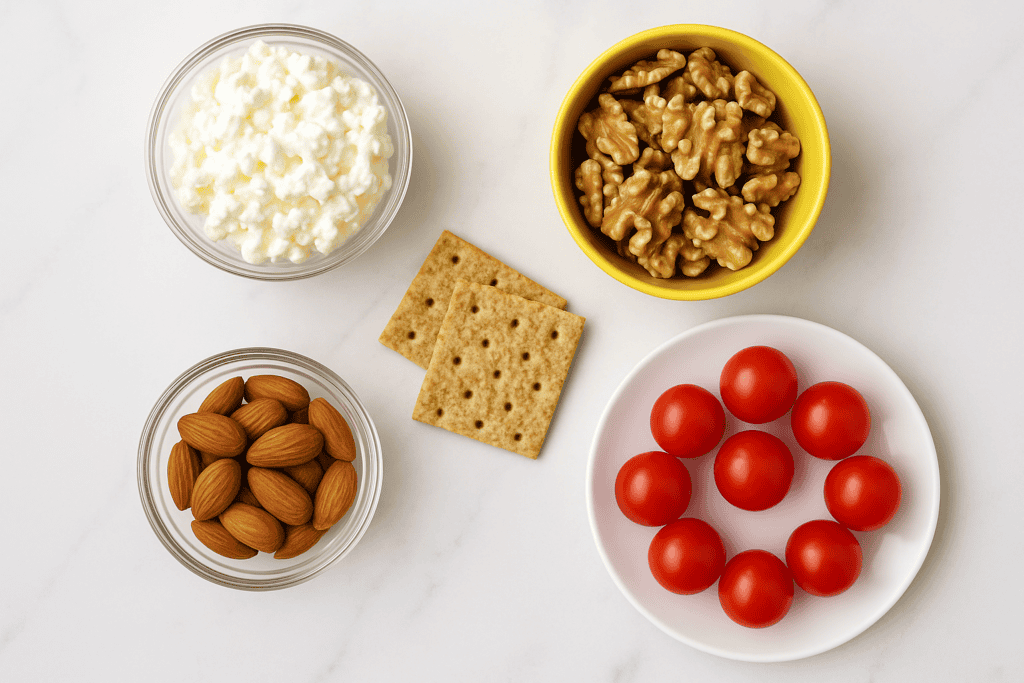
Portion-controlled snack ideas for weight management
Portion-Control Tools and Methods (Hand Guides, Pre-Portioned Packs, and Food Scales)
At 15:30, a commuter buys a “healthy” bag of mixed nuts at a petrol station and eats it during the drive home. The label shows 240 g, which can exceed 1,400 kcal depending on the mix. A simple portion-control method would have changed the outcome: decanting 30 g into a small tub before leaving the house, or weighing 30 g once and learning what that looks like in the palm. Hand guides work when scales are not practical. For energy-dense snacks, a cupped hand typically holds about 25–30 g of nuts or trail mix, which often lands near 150–200 kcal. Pre-portioned packs reduce decision fatigue, but check the net weight: “100-calorie packs” often contain 17–21 g, while standard single-serve crisps commonly sit closer to 25–30 g. A food scale offers the highest accuracy and trains visual judgement quickly. Weighing snacks for one week can calibrate portions so that eyeballing becomes reliable. The NHS Eatwell Guide also recommends using labels to compare per-portion values, which helps keep snacks consistent across brands.
- Hand guide: use a cupped hand for nuts; a closed fist for fruit.
- Pre-portioned packs: choose 100–200 kcal packs for routine snacking.
- Food scale: weigh once, photograph the portion, then repeat by sight.
High-Protein and High-Fibre Portion-Controlled Snack Ideas (Sweet and Savoury Options)
High-protein snacks tend to curb hunger more reliably than high-fibre snacks, while high-fibre options often deliver greater volume for fewer kilojoules. A 170 g pot of 0% Greek yoghurt typically provides about 17–20 g protein for roughly 90–120 kcal, whereas 1 medium apple (about 180 g) supplies around 4 g fibre for about 95 kcal (USDA FoodData Central). Both can fit weight management, but they work through different satiety signals.
| Option A (higher protein) | Option B (higher fibre) | Portion guide |
|---|---|---|
| 0% Greek yoghurt + 50 g berries (sweet) | Apple + 15 g peanut butter (sweet) | 170 g pot; 1 fruit; 1 level tablespoon |
| 2 boiled eggs (savoury) | Carrot sticks + 40 g hummus (savoury) | 2 eggs; 1 cup veg; 2 tablespoons |
| 100 g cottage cheese + cucumber (savoury) | Air-popped popcorn, 3 cups (savoury) | ½ cup cheese; 1 cup sliced veg; 3 cups popped |
Practical implication: choose protein-led portions when the next meal sits 3–4 hours away, and fibre-led portions when you need a larger snack without many calories. Pairing both, such as yoghurt with fruit, often improves satisfaction without increasing portion size.
Planning and Timing Snacks to Support Weight Goals (Hunger Cues, Workday Strategies, and Common Pitfalls)
Unplanned snacking often concentrates calories into the late afternoon. UK time-use data show that adults spend about 9 hours per day sedentary (Office for National Statistics), a pattern that can blur hunger cues and trigger eating from fatigue rather than need. When snacks become reactive, portion sizes drift and daily intake rises without a clear memory of “extra” food. Use timing to protect your calorie budget. Aim for one planned snack between meals when the gap exceeds 4–5 hours, and treat hunger as a 0–10 scale: snack at 4–6 (stomach hunger), not 7–9 (urgent cravings). Keep the snack to 150–250 kcal and pair protein with fibre to slow gastric emptying. Set a calendar reminder for 15:00–16:00 on workdays, then pre-portion the snack before starting tasks. Drink 300–500 ml water first and wait 10 minutes; thirst and stress can mimic hunger. Avoid “desk grazing” by eating only at a table and returning the remainder to a bag or drawer. After 2 weeks, review outcomes: fewer impulse purchases, steadier energy, and a measurable reduction in evening overeating. A consistent 200 kcal daily reduction equates to about 0.18 kg per week, using 7,700 kcal per kilogram as a planning estimate.
Frequently Asked Questions
What portion size defines a snack for weight management in adults?
For adult weight management, a snack typically provides 100–200 kcal and fits in one hand. Aim for 15–25 g protein or 3–5 g fibre to improve fullness, and keep added sugars below 10 g and saturated fat below 3 g per snack. Common portions include:
- 150 g plain yoghurt
- 1 medium fruit
- 20–30 g nuts
Which portion-controlled snacks provide at least 10 g of protein per serving?
Portion-controlled snacks with at least 10 g of protein per serving include:
- 200 g plain 0% Greek yoghurt (about 20 g protein)
- 170 g cottage cheese (about 20 g protein)
- 2 hard-boiled eggs (about 12–13 g protein)
- 1 single-serve protein shake (about 20–30 g protein)
- 100 g cooked edamame (about 11 g protein)
What are practical ways to pre-portion snacks at home to reduce overeating?
Use a kitchen scale to portion snacks into 100–150 kcal servings, then store them in small containers or zip bags. Pre-portion nuts to 20–30 g, hummus to 2 tbsp (30 g), and yoghurt to 150 g. Keep single portions at eye level and put bulk packs out of sight. Avoid eating from the packet.
How can fibre-rich portion-controlled snacks help manage appetite between meals?
Fibre-rich portion-controlled snacks slow digestion and increase fullness, which can reduce cravings between meals. A 10–15 g fibre snack portion supports steadier blood glucose and helps limit extra calorie intake. Aim for 150–250 kcal per snack and pair fibre with protein or unsaturated fat to extend satiety.
Which portion-controlled snacks suit common dietary patterns such as vegetarian, vegan, or gluten-free?
Vegetarian options include 170 g plain Greek yoghurt with 80 g berries, or 2 boiled eggs with 100 g cherry tomatoes. Vegan choices include 30 g roasted chickpeas, or 1 medium apple with 15 g peanut butter. Gluten-free snacks include 25 g mixed nuts, or 3 rice cakes with 60 g cottage cheese.