Sirius Training (1stc.uk) is a Food safety Training Provider supporting businesses that need clear, practical compliance training. The company delivers structured learning for teams working in food production, storage, and distribution, with content designed to match real workplace risks.
This spotlight reviews Sirius Training’s course focus, including STC Courses and BRCGS Courses, and explains how these options can help organisations build safer processes, improve audit readiness, and keep staff skills current.
Key takeaways
- Sirius Training is a food safety training provider delivering clear, practical compliance learning for organisations working in food production, storage, distribution, retail, and hospitality.
- The company specialises in structured, role-based training that reflects real workplace risks and supports consistent hygiene, allergen control, and safe food handling practices.
- Sirius Training offers flexible delivery formats—including online, on-site, and blended learning—allowing businesses to train teams efficiently while maintaining audit-ready records.
- Its courses align with recognised frameworks such as HACCP and BRCGS, helping organisations strengthen compliance, improve audit readiness, and evidence staff competence.
- Training programmes are organised by job role and risk level, enabling businesses to build capability from entry-level food safety knowledge through to advanced management and verification skills.
- Specialist courses such as VACCP, TACCP, HARA, HACCP Level 4, and Allergen Awareness support organisations in managing fraud prevention, threat control, hazard analysis, and allergen risks.
- Sirius Training also provides health and safety learning tailored to food and hospitality environments, helping teams reduce workplace incidents and maintain safe daily operations.
- Beyond course completion, the company supports ongoing compliance through stronger documentation, clearer decision-making, and improved consistency across teams and audits.
About Sirius Training (1stc.uk): what the business does and who it serves
In 2023, the UK Food Standards Agency reported 2,471 confirmed foodborne outbreaks, affecting 8,034 people and causing 22 deaths (Food Standards Agency). These figures show why structured training matters for businesses that handle, prepare, store, or serve food. Sirius Training, trading via Food Safety Course Supplier, supports organisations that need practical, role-based food safety training that aligns with day-to-day operations.
1stc.uk focuses on helping teams build consistent habits around hygiene, allergen control, and safe handling. This often supports compliance with recognised frameworks such as HACCP (Hazard Analysis and Critical Control Points), which the Food Standards Agency describes as a systematic approach to managing food safety risks. Sirius Training typically serves food manufacturers, catering operations, and retail or hospitality sites where staff turnover, shift work, and varied tasks can make consistency harder to maintain.

Where Sirius Training delivers: online learning, on-site training, and blended options
A quality manager at a small food manufacturer may need to train new starters quickly, refresh supervisors on site, and keep evidence ready for audits. Sirius Training supports that mix by offering online learning for consistent delivery, on-site sessions for hands-on practice, and blended options that combine both.
Online courses suit teams spread across shifts, because staff can complete modules in controlled time blocks and managers can track completion. On-site training works well when a site needs to standardise routines, such as cleaning checks, allergen controls, or record keeping, because trainers can review real processes and correct gaps in real time.
Blended delivery often fits businesses preparing for certification or re-certification. For example, teams can complete pre-learning online, then use classroom time to focus on applying requirements to site documents and daily controls. Businesses exploring BRCGS Courses and Training or booking an STC Training Provider option can choose the format that matches risk, roles, and operational pressure.
Accreditation and compliance focus: aligning training with UK food safety expectations
Some providers teach to a generic syllabus, while others build courses around audit evidence and legal duties. For UK food businesses, the second option usually reduces risk, because managers can show how training maps to controls such as HACCP and allergen management.
Sirius Training (1stc.uk) positions its offer around recognised standards and practical compliance outcomes. That focus matters when a site needs training that supports customer requirements, supplier approval, and third-party audits, not only basic awareness.
For example, STC Courses suit teams that need structured food safety learning with clear outcomes and records. When a business works to a GFSI-benchmarked standard, BRCGS Courses can help align competence with audit expectations and role responsibilities.
The practical implication is simpler: training becomes easier to evidence, easier to refresh, and easier to defend during inspections or customer audits, because course content and documentation link back to the controls a site already uses.
Food Safety training overview: course levels, typical learners, and outcomes
Food businesses often struggle to match training to job risk. A new starter needs safe basics, while supervisors must control hazards and record checks. Audit teams also expect evidence that training fits each role and site process.
Sirius Training (via 1stc.uk) structures food safety learning by level, so teams can build competence without gaps. Entry-level courses focus on hygiene rules, contamination control, and personal practices. Higher levels move into monitoring, corrective actions, and managing staff compliance across shifts.
To implement training, map each job role to a course level, set a completion deadline for starters, and schedule refreshers for supervisors before busy periods. Managers should store certificates and training records in one place, ready for internal checks and external audits.
Typical learners include catering staff, retail handlers, production operatives, and site supervisors. Outcomes usually include clearer day-to-day controls, fewer avoidable errors, and stronger confidence during inspections because training evidence is easy to present.
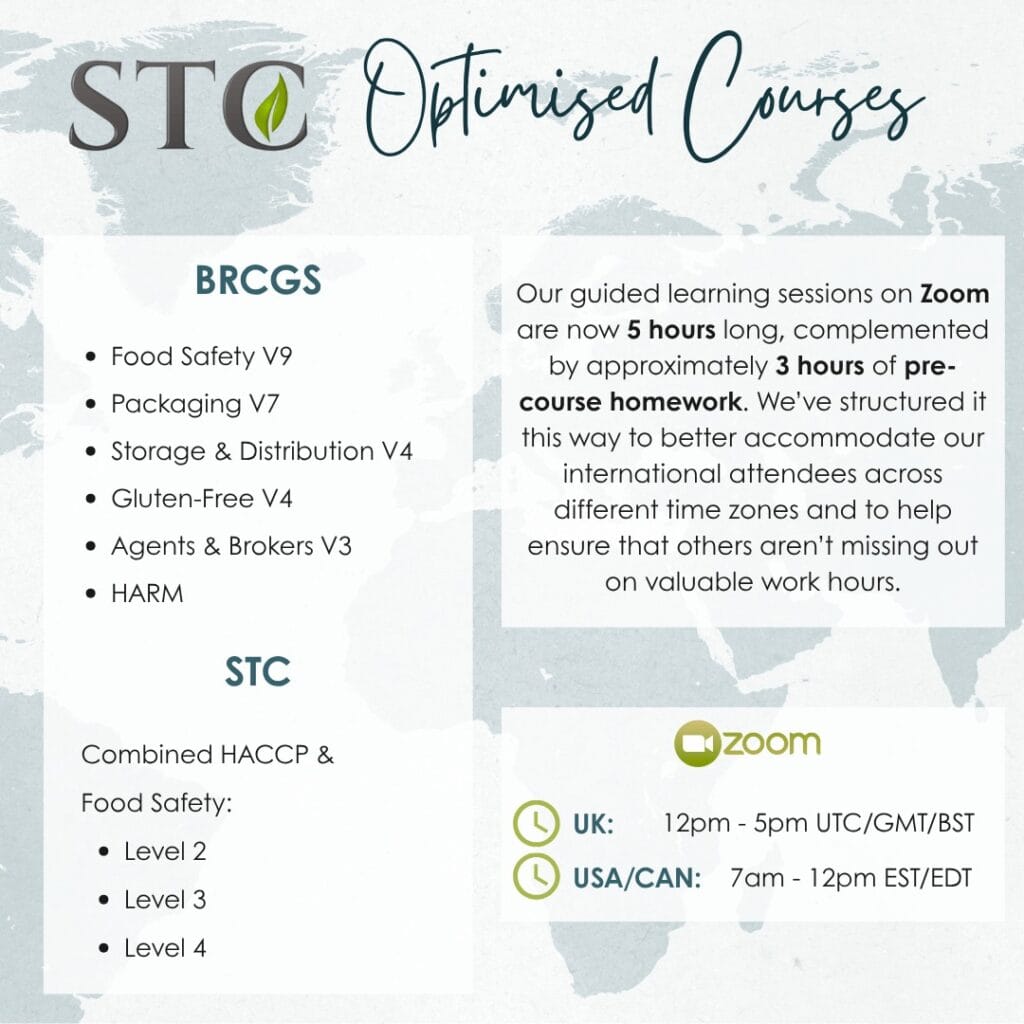
BRCGS Food Safety Sites Training V9
In 2023, the BRCGS published Issue 9 of the Global Standard Food Safety, replacing Issue 8 and updating audit expectations for certified sites. The change matters because auditors test not only controls, but also how well teams apply them on the shop floor. Sites that train against the current version can reduce non-conformances linked to weak understanding of procedures.
Sirius Training supports this need through its Food Safety Sites Training, built around the structure and intent of BRCGS Food Safety Issue 9. The course focuses on how requirements translate into day-to-day actions, so managers can show clear evidence during audits. That includes consistent records, clear responsibilities, and practical checks that match site risk.
- Version focus: aligned to BRCGS Food Safety Issue 9 (V9), not legacy content.
- Audit readiness: supports evidence that auditors expect to see during certification audits.
- Role clarity: helps sites link training to responsibilities across production, hygiene, and quality.
For businesses running BRCGS certification, V9 training works best when it supports internal audits, corrective actions, and refresher cycles. Sirius Training positions this course as a practical step for sites that need staff understanding to match documented systems.
BRCGS Vulnerability (Fraud) VACCP Training
A technical manager preparing for a BRCGS audit often faces one awkward question: “How do you know your raw materials are not vulnerable to fraud?” A supplier approval file may look complete, yet gaps appear when teams cannot explain risk drivers such as scarcity, price volatility, or complex supply chains.
Sirius Training addresses this through its VACCP Training Course, which focuses on Vulnerability Assessment and Critical Control Points (VACCP). The course helps learners separate food fraud from food safety hazards, then build a practical assessment that stands up to audit scrutiny. Learners review how to score vulnerability, choose proportionate controls, and keep evidence current when suppliers, specifications, or market conditions change.
This training suits roles that own supplier assurance and product integrity, including technical, quality, procurement, and site management. It also supports cross-functional working, because fraud controls often sit across departments rather than in one procedure.
- Risk identification: where fraud can enter your supply chain and why.
- Control selection: testing, supplier checks, and specification controls that match risk.
- Audit-ready evidence: records, review frequency, and clear ownership.
For sites working to BRCGS expectations, a consistent VACCP approach can reduce uncertainty during audits and strengthen day-to-day decision-making on supplier changes and material substitutions.
Effective Hazard & Risk Analysis Course (HARA)
Some sites treat hazard analysis as paperwork, while others use it to run daily controls. The first option often produces generic hazards and weak justifications. The second links hazards to process steps, evidence, and measurable limits.
The HARA Courses from Sirius Training focus on that second approach. Learners identify hazards, score risk, and record controls that stand up to internal review and external audit. The course helps teams separate “what could go wrong” from “what is likely”, keeping risk ratings consistent across products and lines.
The key difference is output quality. A basic approach can leave unclear critical limits, weak monitoring, and corrective actions that do not match risk. A structured HARA approach produces clearer controls, stronger verification, and records that support decisions when processes change.
In practice, this can cut rework during HACCP reviews, speed up change control, and build confidence when auditors ask why a control exists and how the site knows it works.
HACCP training: understanding food safety management systems and link
Many food businesses have a HACCP plan, but struggle to prove that staff understand it. That gap often shows up as weak monitoring records, unclear corrective actions, and inconsistent decisions during audits.
Sirius Training addresses this with HACCP training that explains how a food safety management system works in practice. The course links hazards to controls, critical limits, checks, and evidence, so teams can apply the plan on the shop floor, not only in documents.
- Map your process and confirm product, intended use, and users.
- Identify hazards (biological, chemical, physical, allergen) at each step.
- Set controls, including CCPs where needed, with clear limits and monitoring.
- Define actions for deviations, plus verification and record keeping.
After training, managers can brief teams using consistent terms, tighten monitoring routines, and keep HACCP evidence audit-ready. For course details and booking, see the HACCP training options on 1stc.uk.
Threat Management TACCP Training Course
Food Standards Agency incident reporting shows that intentional contamination remains a live risk, with food incidents logged each year across the UK supply chain. TACCP (Threat Assessment and Critical Control Points) gives sites a structured way to prevent, detect, and respond to malicious acts, from unauthorised access to product tampering. Sirius Training frames TACCP as a management tool, not a one-off exercise, so teams can evidence controls during customer reviews and audits.
The TACCP Training course focuses on practical threat assessment, site vulnerability review, and proportionate controls. Learners typically map threats across key areas such as people, premises, processes, and product, then set clear actions and ownership. Many sites build the output into existing food safety systems, linking TACCP checks to routine verification and incident escalation routes. That approach supports consistent decisions on shift, not just during audit preparation.
Combined HACCP & Food Safety Level 4
A quality manager reviews a ready-to-eat line after a minor allergen near-miss. The site has a HACCP plan, but the supervisor cannot explain why a control is critical, what evidence proves it works, or when to stop production.
Combined HACCP Level 4 targets that gap by joining advanced HACCP with Level 4 food safety knowledge. Learners practise linking hazards to controls, setting measurable critical limits, and defining corrective actions that protect consumers and satisfy audits.
The course suits technical managers, QA leads, and supervisors who sign off monitoring, verification, and change control. It also helps teams justify decisions during investigations, such as why a deviation triggers product hold, rework, or disposal.
Across food manufacturing, catering, and distribution, Level 4 competence supports consistent risk-based decisions. That consistency reduces reliance on “tribal knowledge” and strengthens training records when customers or auditors ask for role-based evidence.
Allergen Awareness training: meeting allergen labelling and handling duties and link
Allergen control often falls into two approaches. Option A treats allergens as a labelling check at the end of production. Option B manages allergens as a process risk, covering ingredient intake, storage, changeovers, cleaning, and verification.
The key difference is where errors start. Labelling-only control can miss cross-contact from shared tools, rework, or poor line clearance. Process-led control builds checks into daily routines, so teams spot issues before product leaves site.
Practical implications are clear for UK duties. Teams must understand how to prevent unintended allergen presence and how to label prepacked and prepacked for direct sale (PPDS) foods correctly. Clear training also supports consistent decisions during audits and customer complaints.
Sirius Training covers this gap through its Allergen Awareness training, designed for food handlers, supervisors, and anyone who signs off labels or specifications. The course links allergen handling to real controls, including:
- allergen identification and risk points across the process
- segregation, changeover, and cleaning checks
- label review steps and escalation when information is unclear
Health and Safety training: workplace essentials for food and hospitality teams and link
Slips, trips and manual handling injuries can stop a shift in minutes, especially in kitchens and busy service areas. The Health and Safety Executive (HSE) lists these hazards as common causes of workplace harm, and food and hospitality teams often face all three in one day. Sirius Training helps businesses close that gap with practical health and safety training that fits real workflows, not just policies.
The approach focuses on the controls teams use daily: safe lifting, clear walkways, correct use of knives and equipment, and simple reporting that managers can act on. Training also supports supervisors who need consistent standards across starters, agency staff and experienced team members.
To implement it, managers can map the highest-risk tasks, assign the right course to each role, and set short refreshers after incidents or process changes. Teams then apply the learning through routine checks, clearer handovers and better hazard reporting, which can reduce disruption and strengthen compliance during inspections.
How to book, support available, and what to expect after completion
In 2023, the UK Health and Safety Executive (HSE) recorded 561,000 working people with a non-fatal workplace injury, and 138 worker fatalities. Those figures explain why competent training matters after the certificate is issued, not only on the training day. Ongoing coaching helps people apply procedures under pressure, spot weak controls early, and keep safe habits consistent across teams.
Booking with Sirius Training starts on 1stc.uk, where each course page sets out the format, who it suits, and the expected outcomes. For sites preparing for audit or updating systems, teams often book targeted options such as BRCGS Food Safety Sites Training V9 or BRCGS Vulnerability (Fraud) VACCP. When the goal is stronger risk control, many choose HARA or HACCP training.
Support typically continues after completion through clearer documentation, stronger decision-making, and better internal conversations about evidence. Learners can also build capability with TACCP, Combined HACCP & Food Safety Level 4, and role-specific refreshers such as Allergen Awareness and Health and Safety training. For most sites, the best outcome is measurable: fewer repeat non-conformances, cleaner corrective actions, and more consistent checks on every shift.
Frequently Asked Questions
What is Sirius Training and what types of businesses does it support?
Sirius Training is a food safety Training Provider delivering STC Courses and BRCGS Courses. It supports businesses that need compliant food safety systems, including food manufacturers, packers, storage and distribution operators, and retailers. Training suits teams responsible for HACCP, internal audits, hygiene controls, and supplier standards.
What food safety training options does Sirius Training offer for different roles and risk levels?
Sirius Training offers food safety training options matched to job role and risk level. As a Food safety Training Provider, it delivers STC Courses and BRCGS Courses for operatives, supervisors, managers, and internal auditors. Options cover low-risk food handling, high-risk production, allergen control, HACCP awareness, and site-specific compliance for manufacturing and storage.
What are STC courses at Sirius Training, and who are they designed for?
STC courses at Sirius Training are structured programmes focused on practical food safety and quality skills. They suit food manufacturers, packers, and distribution teams, including operatives, supervisors, and managers. The courses support day-to-day compliance tasks, strengthen internal audits, and prepare sites for customer standards such as BRCGS Courses. Sirius Training acts as a Food safety Training Provider for these needs.
What does the Sirius Training STC courses page cover, and how do you choose the right course?
The Sirius Training STC courses page outlines STC Courses for food safety and compliance, including course aims, who each option suits, delivery format, duration, and assessment. To choose the right course, match your job role and risk level, check any customer or audit requirements (such as BRCGS Courses), and confirm the required certificate level and refresher timing.
What are BRCGS courses, and how do they support food manufacturing and packaging standards?
BRCGS courses teach the requirements of BRCGS Global Standards for food manufacturing and packaging, including HACCP, site hygiene, traceability, allergen control, and audit readiness. They help teams meet retailer and brand expectations, reduce non-conformances, and build consistent quality systems. A Food safety Training Provider such as Sirius Training can align STC Courses with BRCGS Courses.
What does the Sirius Training BRCGS courses page include, and what prerequisites may apply?
The Sirius Training BRCGS courses page typically lists available BRCGS Courses, course aims, formats (online or classroom), dates, duration, fees, and who each option suits. It may also outline assessment and certification details. Prerequisites can include relevant job experience, prior STC Courses, or basic food safety knowledge, depending on the level.
How can you contact Sirius Training to discuss course suitability, delivery format, and booking?
Contact Sirius Training through the enquiry form on 1stc.uk, or call or email the team to discuss course suitability, delivery format, and booking. Ask about available STC Courses and BRCGS Courses, plus options for on-site, virtual, or classroom delivery. Provide your site location, delegate numbers, and preferred dates for a fast quote.