
Simple healthy meals do not require long prep times or specialist equipment. With a small set of staples such as tinned beans, eggs, frozen vegetables, and wholegrains, you can assemble balanced dishes quickly. Many home cooks can complete a nutritious plate in under 20 minutes by using one-pan methods, pre-washed salad leaves, and microwaveable grains.
This guide focuses on fast recipes that prioritise protein, fibre, and colourful vegetables, while keeping added salt and saturated fat low. Expect practical combinations, clear timings, and ingredient swaps that fit common dietary needs.
Key takeaways
- Cook balanced meals in under 20 minutes using high-heat, one-pan methods.
- Build fast plates around lean protein, quick-cooking grains, and pre-cut vegetables.
- Use tinned beans, frozen veg, and bagged salads to cut prep time.
- Rely on flavour boosters such as lemon, herbs, yoghurt, and spice blends.
- Choose healthy fats by measuring olive oil and using nuts or seeds sparingly.
- Batch-cook staples like rice or quinoa to speed up weekday dinners.
What qualifies as a healthy 20-minute meal (nutrition and time rules)
In the UK, the Eatwell Guide recommends at least 5 portions of fruit and vegetables per day and limits free sugars to 5% of energy intake. A healthy 20-minute meal meets those targets in a single sitting by prioritising vegetables, lean protein, and high-fibre carbohydrates while keeping added sugar and salt low. Time matters because short cooking windows often push people towards ultra-processed options, which tend to deliver more salt and saturated fat per calorie than minimally processed foods.
For nutrition, a practical rule is to build the plate around 2 portions of vegetables (about 160 g total) and a protein serving of roughly 20–30 g protein, such as eggs, fish, tofu, or pulses. For carbohydrates, choose wholegrains or starchy vegetables that cook quickly, aiming for at least 6 g fibre per meal to support satiety and glycaemic control. Keep saturated fat below about 10% of total energy by using small amounts of olive or rapeseed oil rather than butter or cream.
For time, “under 20 minutes” should include prep and cooking, not only hob time. Meals qualify when they use fast-cooking formats such as chopped vegetables, tinned beans, or quick-cook grains, while still relying on whole ingredients rather than ready meals.
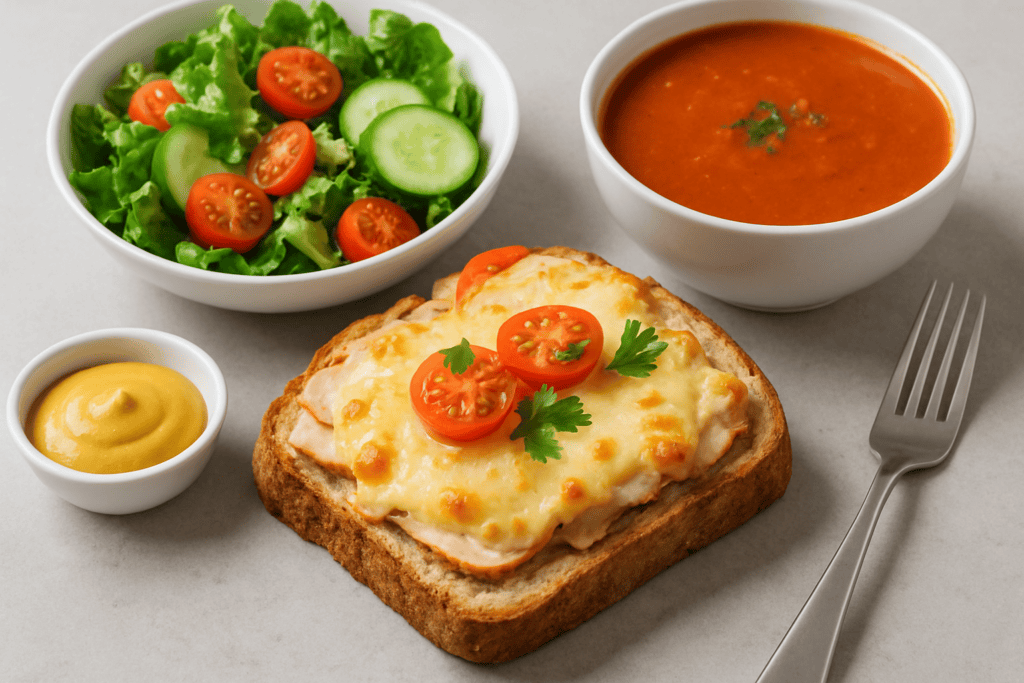
Quick food, not fast food.
Essential kitchen equipment and pantry staples for sub-20-minute cooking
At 18:40, you arrive home with 20 minutes before a video call and a hungry household. A non-stick frying pan, a sharp chef’s knife, and a lidded saucepan let you turn a tin of chickpeas, a bag of spinach, and a jar of passata into a hot, high-fibre meal while wholegrain couscous steams off the heat in five minutes.
This speed comes from reducing set-up time, not cutting corners on nutrition. A reliable hob kettle-boil, a chopping board that does not slip, and a fine grater for garlic and lemon zest can remove 3–5 minutes of prep. A digital kitchen timer helps you overlap tasks, which often saves another 2–4 minutes by preventing overcooking and rework.
For the pantry, keep ingredients that cook fast and lift flavour: tinned beans and lentils, canned fish, passata, wholegrains such as couscous, and frozen vegetables. The NHS Eatwell guidance supports building meals around vegetables and higher-fibre carbohydrates, while choosing lower-salt options where possible.
5-minute prep methods that cut cooking time without sacrificing flavour
Knife-led prep prioritises speed through smaller, even cuts, while heat-led prep prioritises speed by using higher initial temperatures and covered cooking. A 2–3 mm slice of chicken or tofu reaches safe, even doneness faster than a thick piece, while finely chopped onions soften in about 3–5 minutes in a hot pan. By contrast, preheating a pan for 60–90 seconds and using a lid can trap steam, cutting vegetable cooking time by roughly 30–40% compared with open-pan sautéing.
Key differences come down to control and flavour development. Knife-led prep improves consistency and reduces the risk of undercooked centres, while heat-led prep boosts browning through the Maillard reaction, which accelerates above about 140°C. Practical implications are straightforward: when you need reliability, cut ingredients to uniform thickness and start cooking immediately; when you need depth, preheat properly and cover briefly to soften, then uncover to brown. For food safety, cook poultry to 75°C at the thickest point, as advised by the Food Standards Agency.
High-protein breakfasts under 20 minutes (eggs, yoghurt, tofu)
Breakfast often becomes a low-protein, high-sugar meal when time runs short. In the UK, adults need about 0.75 g of protein per kg of body weight per day (British Nutrition Foundation), yet a typical bowl of sweetened cereal can deliver under 10 g protein while adding free sugars.
Use fast-cooking proteins that need minimal prep: eggs, Greek yoghurt, or tofu. Aim for 25–35 g protein by pairing one main protein with fruit or vegetables and a high-fibre carbohydrate.
For eggs, whisk 2–3 eggs with a handful of spinach, cook in a hot non-stick pan for 4–6 minutes, then serve on wholegrain toast. For yoghurt, combine 200 g Greek yoghurt with berries and 30 g oats; the bowl takes 2 minutes and typically provides 20–25 g protein. For tofu, crumble 150 g firm tofu with turmeric and frozen mixed vegetables, then stir-fry for 7–9 minutes.
These breakfasts consistently reach a high-protein target in under 20 minutes, improving satiety and reducing mid-morning snacking.
Fast lunches under 20 minutes (salads, wraps, grain bowls)
In the UK, only 33% of adults ate the recommended 5 portions of fruit and vegetables per day in 2022 (NHS Digital, Health Survey for England). Fast lunches can close that gap because salads, wraps, and grain bowls can deliver 2–3 portions in one meal without using the hob for more than 8–10 minutes. The key is to build a high-fibre base, add a lean protein, then use an acidic dressing to lift flavour without relying on salt.
Time pressure often pushes lunch towards ultra-processed choices, yet a structured “assemble-and-go” lunch can stay within 20 minutes while hitting practical nutrition targets. Aim for 25–35 g protein and at least 8 g fibre where possible, then keep dressings to 1–2 tablespoons to control energy density. This approach suits home working, packed lunches, and post-gym meals because it scales easily and uses common pantry staples.
20-minute salad formula (crunch + protein + dressing)
A fast salad works best when it includes texture and a substantial protein, not only leaves. Use a base of 80–120 g mixed leaves or shredded cabbage, then add a “crunch layer” such as cucumber, peppers, or grated carrot for volume. Choose a protein that needs minimal cooking, such as tinned fish, pre-cooked lentils, or quickly seared chicken strips.
- Example: tuna and bean salad (12–15 minutes) — Mix 1 tin tuna (drained), 120 g cannellini beans (rinsed), 200 g chopped tomatoes, and a handful of rocket. Dress with 1 tbsp olive oil + 1 tbsp lemon juice, then add black pepper and herbs.
- Example: warm halloumi and chickpea salad (15–18 minutes) — Pan-sear 80–100 g halloumi for 2–3 minutes per side, then toss with 150 g chickpeas, spinach, and sliced red onion. Use a yoghurt-lemon dressing to keep salt lower than a brine-heavy vinaigrette.
Acidic dressings improve perceived flavour quickly, which helps reduce reliance on salty sauces. A simple ratio of 1 tbsp oil to 1 tbsp acid (lemon or vinegar) coats a large bowl without turning it oily. If the salad needs extra staying power, add 30–40 g nuts or seeds, or swap in avocado, then reduce added oil.
Wraps that stay high-protein and lower in salt
Wraps become healthier when the filling carries most of the flavour and volume, rather than cheese and processed meats. Choose a wholegrain wrap where possible, then aim for 2 handfuls of salad vegetables inside to increase fibre and crunch. Keep spreads measured, since mayonnaise and creamy sauces can add 100–200 kcal in a few spoonfuls.
- Example: chicken and hummus wrap (10–15 minutes) — Fill a wrap with 120 g cooked chicken (leftovers or quick-seared strips), 2 tbsp hummus, cucumber, and grated carrot. Add chilli flakes or smoked paprika for flavour without extra salt.
- Example: smashed chickpea “tuna” wrap (8–12 minutes) — Mash 150 g chickpeas with 1 tbsp Greek yoghurt, mustard, lemon, and chopped gherkins, then add lettuce and tomatoes. This keeps protein steady while reducing reliance on processed fillings.
For food safety and texture, keep wet ingredients away from the wrap until the last moment if packing ahead. Store chopped vegetables and protein separately, then assemble in under 2 minutes before eating to avoid sogginess.
Grain bowls: fast carbs with fibre and micronutrients
Grain bowls work well for lunch because they combine slow-release carbohydrates with vegetables and protein in one container. Use fast-cooking grains such as couscous or microwave brown rice, then build the bowl around a clear portion structure. A practical target is 150–200 g cooked grain, 200–300 g vegetables, and 100–150 g protein.
- Example: Mediterranean couscous bowl (12–16 minutes) — Pour boiling water over 75 g wholewheat couscous and cover for 5 minutes. Stir through 150 g cooked lentils, chopped cucumber and tomatoes, olives (small handful), and a lemon-herb dressing.
- Example: salmon rice bowl (15–20 minutes) — Microwave a brown rice pouch for 90 seconds, add 120 g hot-smoked salmon, shredded spinach, and grated carrot. Use a quick dressing of yoghurt, lime, and grated ginger to keep sugar low.
To keep bowls balanced, limit high-salt toppings such as soy sauce and cured meats, then use citrus, herbs, garlic, and spices for intensity. When time is tight, pre-wash leaves and pre-chop two vegetables once per week; that single 10-minute batch prep can cut daily lunch assembly to 6–8 minutes.
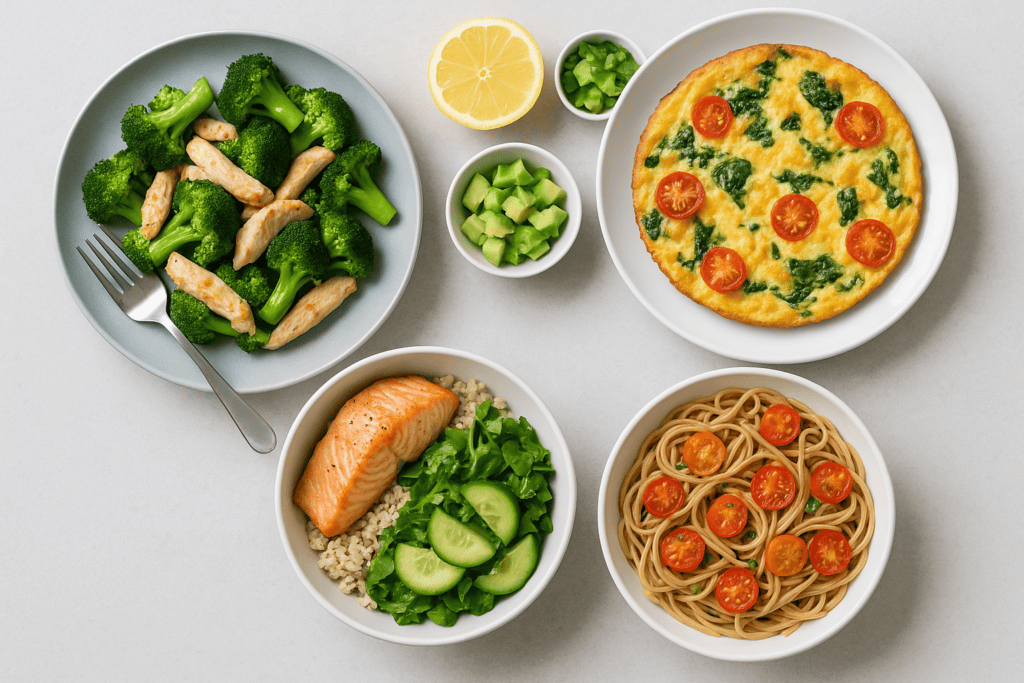
Simple healthy meals you can cook in under 20 minutes
Quick dinners under 20 minutes (stir-fries, fish, lean meats)
At 18:55, you walk through the door with 20 minutes before a child’s bedtime routine and no appetite for a takeaway. You pull a salmon fillet from the fridge, tip a bag of pre-cut stir-fry vegetables into a hot pan, and microwave a pouch of wholegrain rice. By 19:12, dinner sits on the table: salmon with ginger-soy greens and rice, with minimal washing-up and no guesswork.
A worked example: salmon, ginger greens, and wholegrain rice (15–18 minutes)
Start the rice first: most microwave wholegrain pouches heat in 90 seconds. Heat a non-stick frying pan for 60–90 seconds, then add 1 teaspoon of rapeseed oil and a salmon fillet (about 120–150 g). Cook skin-side down for 4 minutes, turn, and cook for 3–4 minutes, or until the centre reaches 63°C for food safety (UK guidance from the Food Standards Agency).
While the salmon cooks, stir-fry 250–300 g of mixed vegetables in a second pan or push the fish to one side if the pan allows. Add 1 grated garlic clove, 1 teaspoon grated ginger, and a quick sauce: 1 tablespoon reduced-salt soy sauce, 1 tablespoon lime juice, and 2 tablespoons water. Finish with a handful of spinach to wilt in 30–45 seconds.
This plate hits the “healthy and fast” criteria without relying on heavy sauces. A 150 g salmon portion typically provides around 30–34 g protein and meaningful omega-3 fats (values vary by product; check the pack). The vegetables contribute 2–3 portions in one meal if you use roughly 240 g or more, aligning with the NHS “5 A Day” portion guidance (NHS).
Why this format works under time pressure
Quick dinners succeed when heat and surface area do the work. Thin proteins (fish fillets, turkey strips, lean pork medallions) cook in 6–10 minutes, while high-water vegetables soften in 3–6 minutes in a properly heated pan. You also avoid the hidden time cost of slow steps such as oven preheating, which often takes 10–15 minutes in many homes.
The method scales across proteins because the structure stays constant: fast carbohydrate, fast protein, fast vegetables, then a bright sauce. Acid (lemon, lime, vinegar) lifts flavour quickly, so you can keep added sugar low and avoid relying on thick, salty bottled sauces.
Fast protein options that stay lean
Choose proteins that cook quickly and tolerate high heat. Aim for portions that deliver roughly 25–35 g protein at dinner, which many adults reach with 120–170 g of lean meat or fish, depending on the food.
- Fish: salmon, cod, haddock, trout; most fillets cook in 8–10 minutes total.
- Lean meats: turkey breast strips, chicken breast sliced to 2–3 mm, pork tenderloin medallions; typical cook time 6–12 minutes.
- Shellfish: prawns turn pink in 2–3 minutes, ideal for vegetable-heavy stir-fries.
Three 20-minute dinner templates you can repeat all week
Use these as plug-and-play patterns rather than fixed recipes. Each keeps cooking to one pan and one fast carb, so you can rotate flavours without adding time.
- Stir-fry: lean protein + 300 g mixed vegetables + rice noodles (often 3–5 minutes) + soy-lime-garlic sauce.
- Pan-seared fish: white fish + frozen peas or spinach + microwaved new potatoes (5–7 minutes) + lemon-caper yoghurt.
- Lean meat “skillet”: turkey mince (5% fat) browned in 6–8 minutes + chopped peppers and courgette + passata; serve with couscous that steams in 5 minutes.
Once you treat dinner as a repeatable format, you stop needing extra time for planning. You only swap the protein, the vegetables, and one high-impact flavour (citrus, herbs, chilli, or a spoon of mustard), while keeping the cook time reliably under 20 minutes.
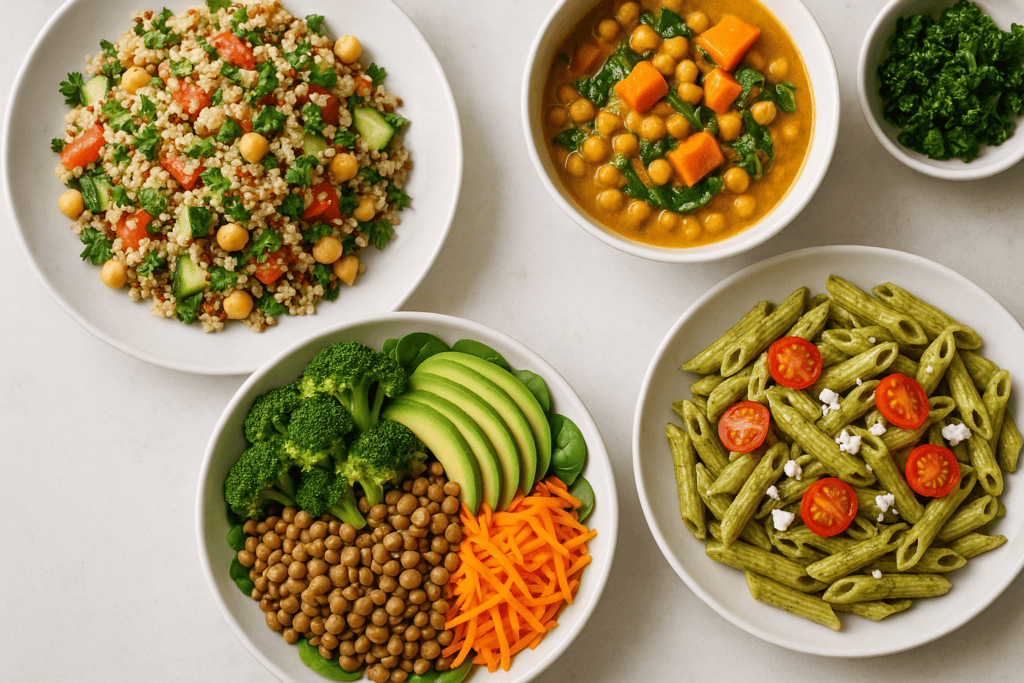
healthy vegetarian meals
Vegetarian and vegan options under 20 minutes (legumes, tempeh, quick curries)
Vegetarian and vegan sub-20-minute meals often split into two fast paths: legume-led dishes (chickpeas, lentils, beans) versus tempeh-led dishes (fermented soya). Legumes cook quickly when tinned or pre-cooked, while tempeh browns fast and delivers a firmer, meat-like bite. Both suit quick curries because spices bloom in 30–60 seconds and sauces thicken in 6–10 minutes.
Option A vs Option B: speed, protein, and texture
Choose legumes when you want minimal prep and a softer texture that absorbs sauce. Choose tempeh when you want rapid browning and a higher-protein centrepiece without relying on dairy or eggs. For protein context, USDA FoodData Central lists cooked lentils at about 9 g protein per 100 g, while tempeh typically provides about 19 g protein per 100 g (brand values vary).
| Criteria | Legumes (tinned/pre-cooked) | Tempeh |
|---|---|---|
| Typical cook time | 3–8 minutes to heat through in sauce | 6–10 minutes to slice and brown |
| Protein density | Moderate (often 7–10 g per 100 g cooked) | Higher (often 15–20 g per 100 g) |
| Texture | Soft, sauce-absorbing | Firm, crisp edges when seared |
| Best use | Quick curries, stews, smashed fillings | Stir-fries, curry “chunks”, wraps |
Key differences that affect nutrition
Legumes raise fibre quickly, which supports satiety and helps balance a fast meal. Tempeh raises protein without adding free sugars, and fermentation can improve digestibility for some people. For salt control, rinse tinned beans; NHS guidance sets an adult maximum of 6 g salt per day, and some tins contribute 0.5–1.0 g per serving before rinsing.
Practical implications: three 20-minute templates
- Chickpea and spinach tomato curry (15–18 minutes): fry curry paste or spices for 1 minute, add passata and chickpeas, simmer 8 minutes, fold in spinach for 2 minutes. Serve with microwaved wholegrain rice (90 seconds).
- Red lentil dhal-style bowl (18–20 minutes): use split red lentils (they soften in about 10–12 minutes), simmer with stock and turmeric, finish with lemon and frozen peas (3 minutes).
- Tempeh green curry (15–19 minutes): sear sliced tempeh 6–8 minutes, add green curry paste and light coconut milk, then add quick-cook vegetables (fine beans, peppers) for 4–6 minutes.
When time is tight, keep one rule: build flavour with aromatics and acid (lime, lemon, vinegar) instead of extra salt, and aim for 2+ portions of vegetables by using frozen or pre-cut options.
Batch-cook shortcuts and safe storage to keep meals under 20 minutes all week
Weeknight cooking fails when prep time competes with eating time: if chopping and washing-up take 12 minutes, only 8 minutes remain for heat. The solution is to shift 45–60 minutes of batch prep to one session, then assemble meals in under 20 minutes using safe storage.
Cook two staples on a low-effort day: 300 g dry wholegrain rice or quinoa (yields about 900 g cooked) and a tray of 1 kg mixed vegetables. Portion into 3–4 containers and cool quickly; the Food Standards Agency advises refrigerating within 2 hours. Store cooked grains for up to 4 days in the fridge, or freeze in 250 g portions for up to 3 months (NHS).
On busy nights, reheat one portion until steaming hot, then add a fast protein: eggs (6–8 minutes), tinned lentils (2 minutes), or fish fillets (8–10 minutes). This method cuts active cooking to 10–15 minutes while keeping fibre and protein consistent across the week.
Frequently Asked Questions
What qualifies as a healthy meal when cooking in under 20 minutes?
A healthy under-20-minute meal combines lean protein, high-fibre carbohydrates, and unsaturated fats, while limiting salt and added sugar. Aim for at least 2 portions of vegetables (about 160 g), 20–30 g protein, and 1–2 tablespoons of olive oil, nuts, or seeds. Keep energy near 400–700 kcal, depending on needs.
Which pantry staples reduce prep time for healthy meals under 20 minutes?
Keep tinned pulses (chickpeas, lentils) for 30–60 second rinsing, tinned fish (tuna, sardines) for instant protein, and wholegrains (couscous, quick oats) that cook in 2–10 minutes. Stock tinned tomatoes, frozen vegetables, olive oil, vinegar, and spice blends to build sauces and flavour in under 1 minute.
Which high-protein ingredients cook fastest for weeknight meals?
Fast-cooking, high-protein options include eggs (6–10 minutes), prawns (3–5 minutes), canned lentils (2–3 minutes to heat), canned tuna (ready to eat), Greek yoghurt (no-cook), and firm tofu (8–12 minutes to crisp). Use pre-cooked chicken for a 2–3 minute reheat.
How can I meal-prep components to assemble healthy meals in under 20 minutes?
Batch-cook proteins (2 chicken breasts or 400 g lentils), grains (2 cups cooked brown rice or quinoa), and vegetables (1 tray roasted mixed veg) once or twice weekly. Wash and chop salad greens, portion nuts, and mix a yoghurt or tahini dressing. Store in airtight containers for 3–4 days, then assemble bowls, wraps, or salads in 10–15 minutes.
What are the quickest healthy vegetarian meals you can cook in under 20 minutes?
Quick healthy vegetarian meals under 20 minutes include:
- Chickpea salad wrap (10 minutes): 1 tin chickpeas, yoghurt, lemon, spinach.
- Vegetable omelette (12 minutes): 2 eggs, peppers, mushrooms; serve with salad.
- Lentil tomato pasta (15 minutes): red lentils, passata, garlic, wholewheat pasta.
- Tofu stir-fry (18 minutes): 200 g tofu, frozen veg, soy sauce, microwave rice.
How can I reduce added salt and sugar without losing flavour in quick meals?
Cut added salt by using lemon or lime juice, vinegar, garlic, ginger, chilli, and fresh herbs. Choose low-salt stock and rinse canned beans to remove up to 40% of sodium. Reduce added sugar with cinnamon, vanilla, citrus zest, and ripe fruit; halve sugar in sauces and balance with acidity and spice.
Which kitchen tools help you cook simple healthy meals faster without compromising nutrition?
Use tools that cut prep time while protecting nutrients: a sharp chef’s knife and stable board for faster chopping; a non-stick or stainless pan for quick sautés; a steamer basket to retain water-soluble vitamins; a microwave for 2–5 minute vegetable cooking; and a blender for smoothies, soups, and sauces.