
Madrid offers some of Europe’s most rewarding tapas culture, where small plates pair with local wines and lively conversation. From traditional bars serving jamón and tortilla to modern kitchens refining classic flavours, the city caters to every taste and budget. This guide highlights tapas bars worth seeking out, with a focus on quality, atmosphere, and regional specialities. Expect practical suggestions for where to go, what to order, and how to enjoy tapas like a local.
Key takeaways
- Madrid tapas culture rewards bar-hopping, with small plates designed for sharing.
- Classic choices include patatas bravas, croquetas, tortilla, and jamón ibérico.
- La Latina and Malasaña stand out for dense clusters of lively tapas bars.
- Many venues specialise, so ordering the house signature dish improves results.
- Peak evening hours fill quickly, so arriving early helps secure a table.
- Pair tapas with caña, vermouth, or local wine for an authentic experience.
Classic tapas bars in Madrid for traditional specialities
Madrid rewards visitors who seek out classic tapas bars that still serve traditional specialities with care and consistency. These venues often focus on a short list of dishes, prepared quickly and eaten standing at the bar. Expect robust flavours, simple presentation, and a strong link to local drinking culture. Many bars also keep prices modest, which makes it easy to try several dishes in one outing.
For a benchmark bocadillo de calamares (fried squid sandwich), head to El Brillante, close to Atocha. Order it with a caña (small draught beer) and a squeeze of lemon for a straightforward, satisfying combination. Another Madrid staple is the tortilla española. Casa Dani, in Mercado de la Paz, has a strong reputation for a soft-centred tortilla that suits a quick tapa or a fuller snack.
If you prefer seafood, La Revuelta is known for gambas a la plancha (grilled prawns) served hot and simply seasoned. For a more historic setting, Sobrino de Botín offers classic Castilian cooking alongside tapas-style options, with a long-standing place in Madrid’s dining history. Arrive early if you want a seat, as popular bars fill quickly.
- What to order: tortilla española, croquetas, callos a la madrileña (tripe stew), gambas a la plancha, bocadillo de calamares.
- How to eat: share plates, keep orders small, and repeat what you enjoy.
- When to go: lunchtime and early evening often feel most local; peak dinner hours can bring queues.
- What to drink: caña, vermut de grifo (draught vermouth), or a simple tinto (red wine).
Choose one neighbourhood and move between two or three bars rather than committing to a single long meal. This approach matches how many Madrileños treat tapas: a social route, shaped by appetite and conversation. Keep some cash on hand, since smaller venues sometimes prefer it for quick rounds.
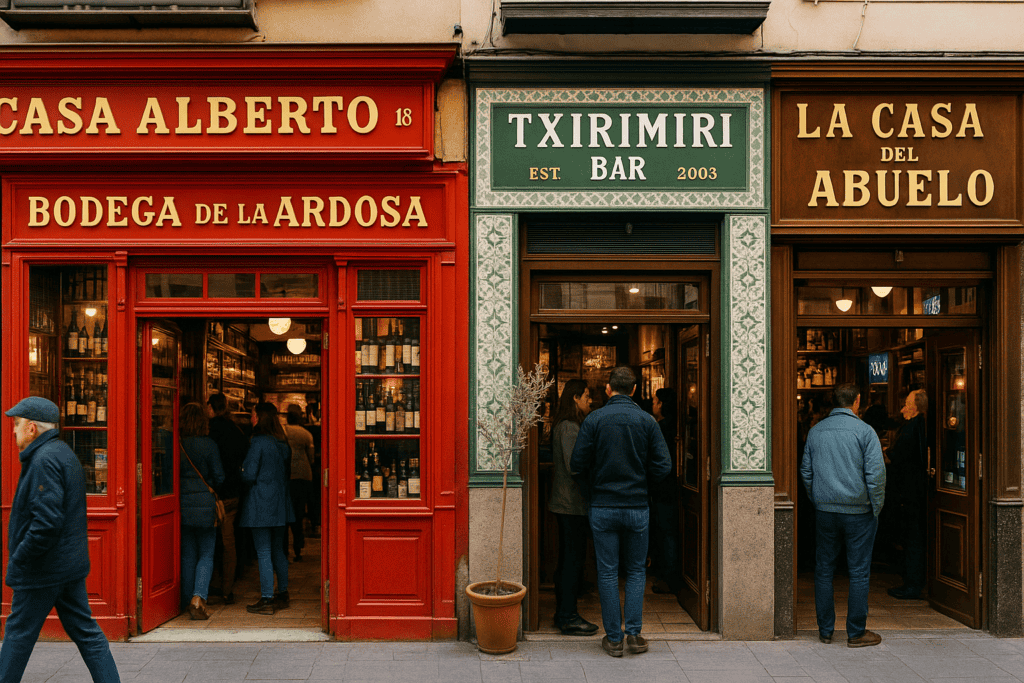
Tapas bars in Madrid you should try
Modern tapas bars in Madrid for creative small plates
Madrid also excels at modern tapas, where chefs treat small plates as a space for experimentation. Many contemporary bars keep the sociable rhythm of ordering at the counter, yet present dishes with sharper technique, seasonal produce, and global touches. Expect lighter sauces, careful plating, and a stronger focus on texture, from crisp tempura to slow-cooked meats finished on the grill. Some venues also offer smaller pours of wine or vermouth, which makes it easier to match flavours across several plates.
For a polished introduction, Salmon Guru pairs inventive bites with a serious cocktail programme, which suits an evening that moves between food and drinks. Diners who prefer a chef-led menu can book StreetXO, where bold flavours and open-kitchen energy turn tapas into a more theatrical meal. Another reliable choice, Sala de Despiece, builds plates around market ingredients and often finishes dishes tableside, which keeps the experience lively without feeling formal.
When choosing where to go, aim for early evenings to avoid queues, and order progressively. A mix of one seafood plate, one vegetable dish, and one richer option usually gives the clearest sense of a kitchen’s style. Ask staff for a house speciality, since many kitchens rotate dishes to reflect the day’s best produce.
Neighbourhood tapas routes in Madrid: La Latina, Malasaña and Chamberí
Madrid suits travellers who prefer to eat by area rather than by venue. A neighbourhood route keeps walking time short, helps you pace drinks and food, and lets you compare styles from bar to bar. La Latina, Malasaña and Chamberí each offer a distinct rhythm, from late-night plazas to quieter streets with a local feel.
La Latina: plazas, vermouth and a lively crawl
La Latina works well for an early evening start, especially around Plaza de la Cebada and the streets that lead towards Cava Baja. Begin with a vermouth and a small plate, then move on before queues build. Sundays bring a surge of visitors due to El Rastro, so aim for a weekday if you want more space at the bar. Keep your route compact and choose places that serve quickly, as the area rewards short stops rather than long sittings.
Malasaña: informal bars and late-night energy
Malasaña suits a flexible route, since many bars sit close together around Plaza del Dos de Mayo. The atmosphere tends to be casual, with a younger crowd and later opening hours. Plan to share a few plates and move on, as tables fill fast at peak times. When you order, ask what the kitchen can produce quickly, then add one more dish only if the bar stays calm. That approach keeps the pace sociable and avoids long waits.
Chamberí: a calmer route with a local feel
Chamberí often feels less touristic, which makes it ideal for a slower crawl. Streets near Trafalgar and Alonso Martínez offer plenty of options without the same density as the centre. Choose one bar for a drink and a snack, then walk ten minutes to the next. Since the area attracts residents, you may find more seated service and a steadier pace, especially midweek.
Practical route tips
- Keep it simple: two to three stops per neighbourhood usually feels balanced.
- Order strategically: start with lighter plates, then move towards richer dishes as you go.
- Mind the timing: many kitchens get busy after 21:00, while earlier visits often bring faster service.
- Use public transport: check routes on Metro de Madrid to link neighbourhoods without long walks.
A good tapas route prioritises variety and momentum: one drink, one or two plates, then on to the next bar.
How to choose a tapas bar in Madrid: timing, ordering and etiquette
Timing shapes the experience in Madrid. Many bars fill quickly from about 13:30 to 15:30 and again from 20:30 onwards, so arrive slightly earlier if you want space at the counter and faster service. A short crawl often works best: choose one or two dishes per stop, then move on before fatigue dulls your appetite.
Order with purpose and keep it simple. Start with a drink, then add a small plate or two; repeat as you gauge hunger and pace. Ask what looks best that day, since many kitchens rely on market availability. When a bar offers a house speciality, prioritise it over a long list, as that focus usually signals consistency. If you want a full meal, check whether the venue serves raciones (larger sharing plates) as well as tapas.
Etiquette remains relaxed, yet a few habits help. Stand where staff can see you, keep your order concise, and pay attention to how the bar handles payment, since some expect you to settle each round while others keep a running tab. Respect the flow at busy counters, and keep voices measured in residential streets. For practical guidance on local customs, consult Visit Madrid.
Frequently Asked Questions
Which neighbourhoods in Madrid offer the best selection of traditional tapas bars?
La Latina and El Rastro offer classic taverns and busy tapas streets. Malasaña combines traditional bars with a lively evening crowd. Lavapiés provides long-standing, low-key spots alongside varied small plates. Chamberí and Salamanca feature more refined, traditional venues, often with strong vermouth and wine lists. Centro, near Sol and Plaza Mayor, concentrates historic bars, though prices can be higher.
What tapas dishes should visitors prioritise when trying classic Madrid specialities?
Prioritise patatas bravas, tortilla española, callos a la madrileña (tripe stew), bocadillo de calamares (fried squid sandwich), croquetas, and huevos rotos (broken eggs with potatoes). Choose jamón ibérico and queso manchego for simple, classic flavours. Finish with churros con chocolate for a traditional sweet option.
When is the best time to visit tapas bars in Madrid to avoid queues and secure a table?
Visit tapas bars in Madrid early: arrive at 13:00–13:30 for lunch or 19:30–20:00 for dinner. Queues tend to peak from 14:30–16:00 and 21:00–23:00, especially on Fridays and Saturdays. Weekdays usually feel calmer. If you plan to go late, choose bars with standing space.
How do ordering customs and pricing work in Madrid tapas bars, including free tapas policies?
Order drinks at the bar; staff often bring tapas or you choose from a menu. Prices may list tapas per portion, per unit, or per ración (sharing plate). Ask what size you will receive. Some bars include a free tapa with each drink, but quality and choice vary, and premium items usually cost extra.
What etiquette should diners follow when bar-hopping for tapas in Madrid?
Order at the bar, keep your voice low, and make space for others. Take one or two tapas and a drink, then move on rather than lingering. Pay as you go unless the bar runs a tab. Do not reserve stools with bags. Leave a small tip only for exceptional service.